U.S.-Iran Talks End with No Deal
After 21 hours of marathon negotiations in Pakistan, the United States and Iran failed to reach an agreement, leaving a fragile two-week ceasefire in limbo and raising the specter of renewed military escalation.
1. The Breakdown
The U.S. and Iran entered marathon negotiations on Saturday in Islamabad, Pakistan, but after multiple rounds of talks spanning into the early hours of Sunday local time, the two sides could not bridge their differences. According to a source briefed on the discussions, key sticking points included Iran's demand to control the Strait of Hormuz and its refusal to give up its enriched uranium stockpile. The deadlock is significant because it puts the two-week ceasefire agreed upon last week in serious jeopardy, with the real possibility of renewed and escalating warfare. 😟
2. The U.S. Perspective: Vance's Response
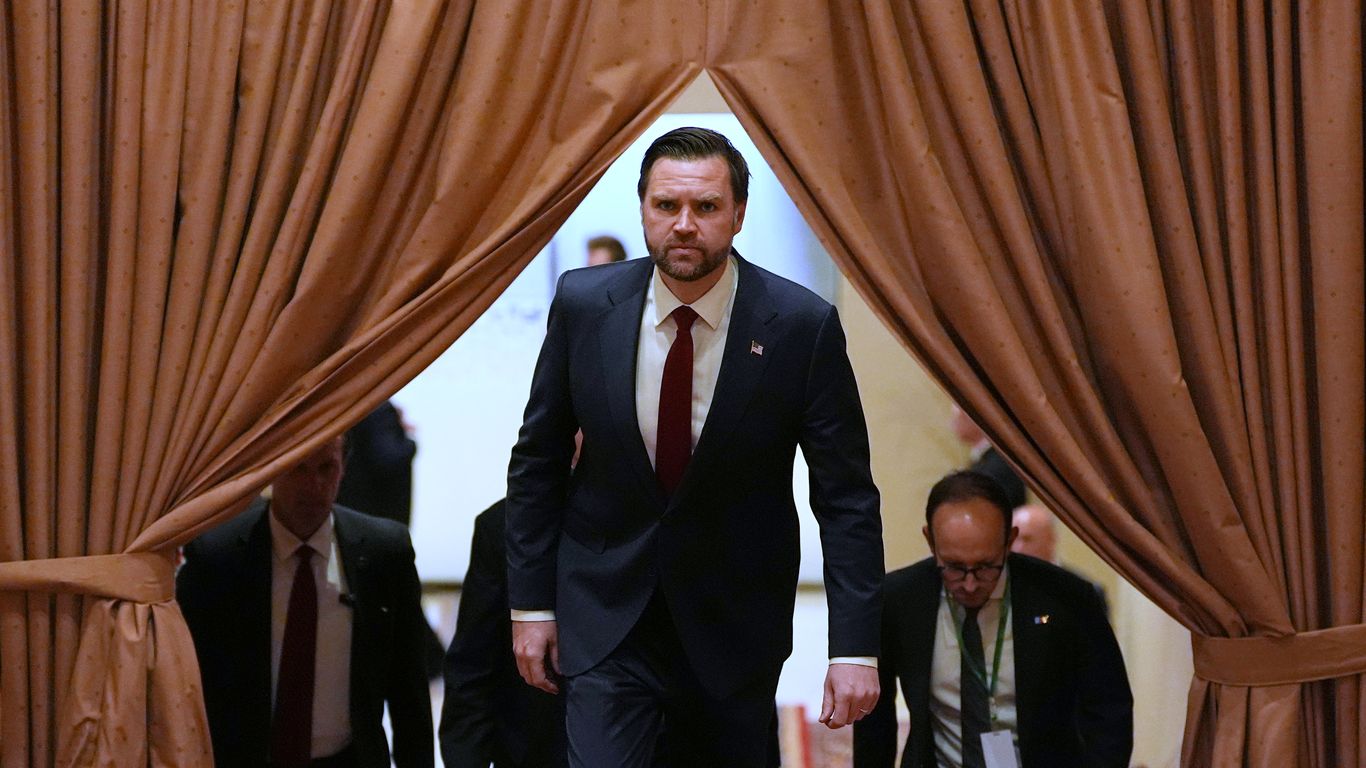
Vice President JD Vance held a brief four-minute press conference after the talks concluded, describing the sessions as "substantive discussions" but ultimately unproductive. His tone was pointed, placing the blame squarely on Iran:
"This is bad news for Iran much more than this is bad news for the U.S. We have made very clear what our red lines are…and they have chosen not to accept our terms."
Vance explained that the U.S. sought a long-term "affirmative commitment" from Iran not to pursue a nuclear weapon or the tools that would enable rapid production of one.
"We haven't seen that yet, we hope that we will."
He also claimed the American side was "quite flexible and accommodating" and had negotiated "in good faith" but was unable to make significant progress. Immediately after speaking, Vance departed Islamabad for Washington.
3. Iran's Response
The view from Tehran was predictably different. Several Iranian media outlets responded to Vance's press conference by saying the talks failed because the U.S. side was not realistic and had "excessive demands." This framing sets the stage for a potential blame game between the two sides as both try to control the narrative around the collapse of negotiations.
4. Behind the Scenes
The negotiations were extensive in both duration and participation. The U.S. and Iranian delegations met over several rounds in multiple formats throughout Saturday and into early Sunday. Vance revealed that the U.S. negotiating team consulted with President Trump at least half a dozen times during the day. They also coordinated with a wide circle of senior officials, including Secretary of State Marco Rubio, Defense Secretary Pete Hegseth, Treasury Secretary Scott Bessent, and CENTCOM commander Admiral Brad Cooper — underscoring just how high the stakes were.
5. What Comes Next
No one expected a final deal to emerge from Saturday's session, but the U.S. side had hoped for enough momentum to keep negotiations going, potentially extending the ceasefire in the process. Vance's brief and somber remarks conveyed little of that optimism, though he notably did not say the U.S. was walking away entirely. Instead, he left the door slightly open:
"We leave here with a very simple proposal. A method of understanding that is our final and best offer. We will see if the Iranians accept it."
This "final and best offer" now sits with Iran, and the world watches to see whether Tehran will engage further or let the fragile ceasefire expire. ⏳
Wrapping Up
Twenty-one hours of intense diplomacy in Islamabad ended without a deal, with the Strait of Hormuz and Iran's uranium stockpile emerging as the central sticking points. The U.S. has put what it calls its final offer on the table, while Iran accuses Washington of excessive demands. With the two-week ceasefire hanging in the balance, the coming days will be critical in determining whether diplomacy gets another chance — or whether the region slides back toward conflict.
Need a summary like this?
Get instant summaries with Harvest