
How to Observe Juneteenth 2025 in Washington State
In 2025, Juneteenth marks its fifth year as a federal holiday, but celebrations look a bit different this year due to reduced federal support for DEI (Diversity, Equity, and Inclusion) initiatives. Still, Juneteenth remains a significant day of remembrance, freedom, and community across the nation, including Washington state. This guide explains the meaning of Juneteenth, addresses common questions, and shares ways to celebrate in Washington.
1. The Changing Landscape of Juneteenth in 2025
As we reach the fifth year since Juneteenth became a federal holiday, there's a noticeable shift in how it's being observed across America. The Trump administration's rollback of support for DEI initiatives has led to fewer resources and some scaled-back celebrations nationwide. Despite this, Juneteenth continues to be recognized as a federal and state holiday in Washington:
"While the Trump administration has rolled back federal support for DEI initiatives, there is no public plan to change the status of Juneteenth as a federal holiday."
In Washington, this means government offices will be closed on Thursday, June 19, as communities come together to reflect and celebrate.
2. The History and Significance of Juneteenth
Juneteenth, observed annually on June 19, commemorates a pivotal moment in American history. Although President Lincoln issued the Emancipation Proclamation in January 1863 to free enslaved people in Confederate states, it wasn't until June 19, 1865 that Union troops arrived in Galveston, Texas, to announce and enforce freedom for the last enslaved Black Americans.
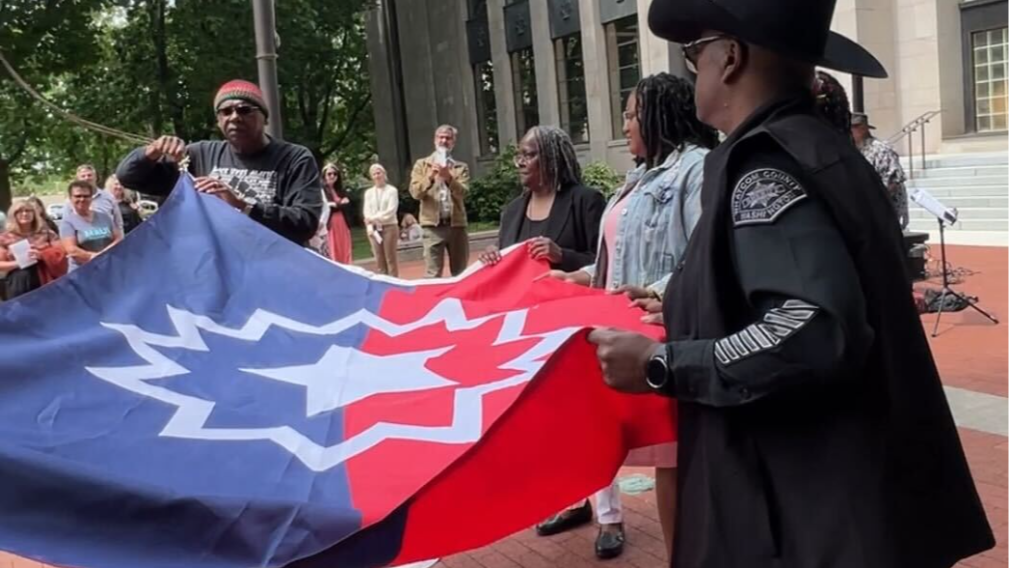
Many people mistakenly believe that all slaves were freed immediately after Lincoln's proclamation, but in reality, it took more than two years—and persistence from Union forces—for freedom to reach everyone:
"It is a common misconception that all slaves were freed through the Emancipation Proclamation in 1863. In reality, this enactment was only the first step."
The holiday has deep roots, especially in Texas, which was the first state to make Juneteenth an official holiday in 1980. In the Lone Star State, it's tradition to enjoy red soda or juice, a drink loaded with historical symbolism.
At its core, Juneteenth is about freedom, remembrance, and the ongoing journey toward true equality for all.
3. Should You Say "Happy Juneteenth"?
As Juneteenth becomes more widely recognized, some people wonder about the appropriateness of the greeting "Happy Juneteenth." Within Black communities, opinions are mixed. For some, it feels like a celebration; for others, the phrase can come across as shallow or presumptive, especially if addressed only to Black individuals:
"This stems from the possible microaggressions of exclusively saying 'Happy Juneteenth' to Black people in particular. It's considered presumptive, as not all Black people are African Americans who resonate with the day."
The safest approach is to use the phrase thoughtfully or reserve it for community gatherings, rather than as a blanket greeting. Some prefer not to use it at all, while others are comfortable saying it on social media or at events open to everyone.
4. Ways to Celebrate Juneteenth in Washington
There's no single way to observe Juneteenth; the most important thing is to celebrate in a way that's respectful, joyful, and honors African American history:
"What's important is that your commemoration of Juneteenth is celebratory, festive and in honor of African American history."
Here are some meaningful ways you can participate in Washington:
- Learn and Educate: Share the story of Juneteenth with those around you. If you can't attend events, simply spreading awareness and learning more yourself are valuable acts.
- Support Black-Owned Businesses: Shopping local and supporting Black entrepreneurs makes a difference.
- Attend Local Events: Across Washington, several events are planned to welcome everyone. Some notable options include:
- Juneteenth Washington in Tacoma: June 19, Stewart Heights Park, 11 a.m.–5 p.m.
- Juneteenth Celebration in Olympia: June 19, Rebecca Howard Park, 1–5 p.m.
- Juneteenth Celebration in Bellingham: June 21, Maritime Heritage Park, 2–6 p.m.
- Juneteenth Events Series in Tri-Cities: June 13–28, various locations.
Bringing family and friends to these celebrations—or simply taking time to reflect—helps keep the spirit of the holiday alive.
5. Wrapping Up
Juneteenth 2025 may feel different due to national changes, but its meaning remains as powerful as ever. Whether through celebration, education, or simply taking a moment to honor the journey toward freedom, your participation matters. Let's continue to "remember, honor, and celebrate the ongoing pursuit of equality and justice."
Need a summary like this?
Get instant summaries with Harvest