Why Your Dog Eats Poop and How to Stop It
Summary:
This guide explains why dogs eat poop — a behavior known as coprophagia — covering both medical and behavioral causes, and the risks associated with it. It then lays out practical, veterinarian-backed strategies for stopping this habit, including management tips, enrichment activities, dietary advice, and information on deterrent products. The article emphasizes the importance of consulting your veterinarian, highlights multiple prevention methods, and addresses common myths about at-home remedies.
1. Understanding Poop-Eating in Dogs
If you've ever gasped or cringed at your pup happily munching on poop, you're not alone! Even experienced animal handlers admit,
"The one thing that still does [gross me out] and always will is poop-eating! And there's nothing worse than cleaning up dog poo-vomit."
This strange (and admittedly disgusting) habit is so common it has a name: coprophagia. Some dogs eat their own stool, others prefer the "kitty rocha" in the litter box, and some may even sample wildlife droppings. Most often, this begins in puppyhood, but if not addressed, it can keep happening throughout a dog's life.
Poop-eating is something pet parents want to stop, and for good reason! Along with being unpleasant, it can point to potential health problems and bring additional risks, especially since
"our dogs put their mouths on lots of things in our homes (including licking us)."
2. Why Do Dogs Eat Poop?
There are many reasons why your furry friend might feast on feces. Let's walk through them:
-
Nutritional Deficiencies:
Sometimes, dogs eat poop because they're not absorbing enough nutrients from their food, a problem known as malabsorption. One study found that dogs low in certain vitamins, like thiamine (vitamin B1), are more likely to develop coprophagia. While not common on commercial diets, this is more likely if you feed homemade or raw diets. -
Medical Issues:
Sudden onset of poop-eating can signal underlying diseases like diabetes, Cushing's, hypothyroidism, or pancreatic insufficiency. Medical issues causing pica (eating non-food things), such as liver disease or anemia, can also be culprits. Even "doggie dementia" may play a role. -
Intestinal Parasites:
Worms like roundworms or hookworms "steal" nutrients from your dog's diet, which can cause inflammation and malabsorption. That can then lead to coprophagia. -
Anxiety or Stress:
Dogs might eat poop out of stress, separation anxiety, or even to avoid punishment during potty training. Some simply do it for attention or out of boredom, since"Dogs learn quickly that eating poop is a surefire way of getting your attention."
-
Hunger:
If a pup is on a low-calorie diet or taking medications that boost their appetite, like steroids, they might be hungrier and more tempted by poop. -
Cleaning Behavior:
Mother dogs naturally eat their puppies' waste to keep the den clean and protect against predators. This is totally normal for new moms. -
Taste Preferences:
Believe it or not, some dogs just like the taste. "Feces is simply digested food," so it may even seem appetizing, especially if it's from another animal. -
Association with Food:
Puppies raised in confined environments (like puppy mills), where food and potty spots were close together, might associate poop with food.
If you're noticing this with your pup, keep in mind these motivations — every dog is different!
3. Health Risks: Can Poop-Eating Make Your Dog Sick?
While eating poop itself isn't always deadly, what lurks inside can be. When dogs eat feces, they are at risk for diseases like E.coli, Salmonella, Giardia, or parvovirus, as well as intestinal parasites.
"Your dog puts their mouth on quite a lot of things in your home — not to mention that they probably lick your face or hands. If they eat poop, you're then also at risk of illness and disease transmission."
That's why year-round parasite prevention and regular vet visits are essential. It's doubly important if your dog samples stool at dog parks or on walks.
4. How to Stop Your Dog from Eating Poop
Ready to put an end to this "snacking" for good? Here's your road map:
Talk to Your Veterinarian
Always rule out medical problems first. Ask your vet if your dog needs special food or supplements, and consider a nutritionist if needed.
Prevent Access to Poop
This is the most effective strategy!
"If they can't get to it, they can't eat it!"
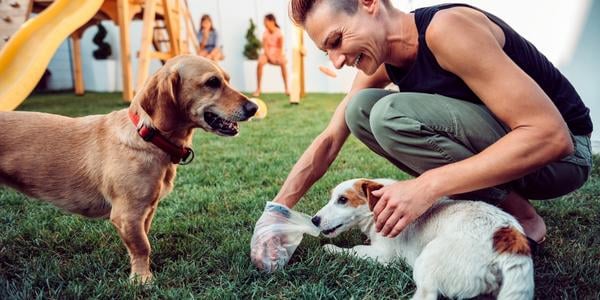
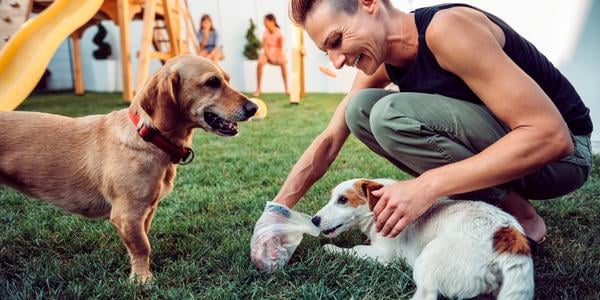
Pick up your dog's poop right away, especially if they have a favorite "source." Keep cats' litterboxes out of reach and consider baby gates for restricted spaces.
-
Keep Your Dog Out of the Litterbox:
Use gates or clever litterbox placement, and clean often. -
Prevent Scavenging:
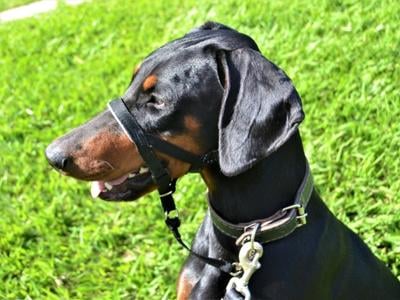
Training a dog not to scavenge is tough, so manage their environment. For tough cases, invest in:- Basket muzzles with front guards
- Field guards for yards with wildlife
- Head collars on walks for nose control (with gentle training!)
Feed a High-Quality Diet
A well-balanced, meat-based diet reduces the risk of nutritional deficiencies that trigger coprophagia.
Split Up Meals
Smaller, frequent meals may curb hunger-driven poop-eating, but be mindful of how this affects potty schedules.
Enrich Your Dog's Mind
Bored dogs get into mischief! Give yours plenty of brain games, puzzle feeders, and sniff walks.
"The easiest way to enrich your dog's life is to make every meal a brain or foraging activity."
Teach "Leave It" and "Automatic Leave It"
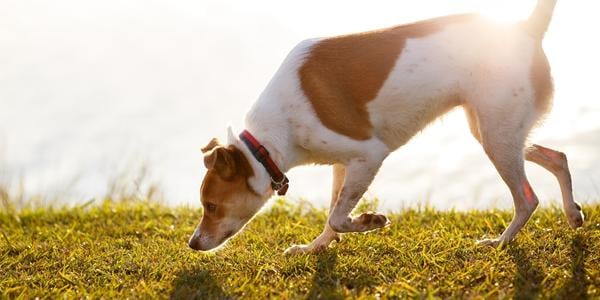
You can train your dog to ignore poop with consistent practice. For an advanced challenge, teach "automatic leave it" where finding poop becomes the cue to look away — and earns a tasty treat.
- Automatic Leave It Steps:
- Pocket full of high-value treats, keep dog on leash.
- Approach poop, but don't let them reach it.
- Wait until they look away.
- Mark ("yes!") and reward at a distance.
- Repeeeeeat! Practice is key.
5. Do Poop-Eating Deterrent Products Work?
There are tons of store-bought products claiming to stop poop-eating, but beware—they rarely work! As a 2018 study bluntly concluded:
"There were no successful results in treating coprophagy with any of the commercial products."
Natural Deterrents and Diet Additions
Before reaching for commercial options, try these natural methods (always consult your vet first!):
- Prebiotics & Probiotics: Improve digestion and gut health.
- Digestive Enzymes: Help with absorption (by prescription).
- Vitamin B Supplements: For those with deficiencies.
- Canned Pumpkin or Green Veggies: Extra fiber can make poop less appetizing (real pumpkin only—no pie filling!).
- Small Amount of Well-Cooked Grains: Adds fiber and helps digestion.
- Pineapple: Folk wisdom says it makes poop taste bad, but studies don't confirm this.
- Meat Tenderizer: Not recommended due to possible toxic ingredients.
⚠️ Warning:
Some home remedies online are dangerous.
"Sugar-free breath mints contain the sugar substitute xylitol — which is extremely dangerous to dogs."
6. Is For-Bid™ Safe and Effective?
You might hear about For-Bid™, a commercial deterrent. The author tried it, but stopped quickly because
"it has high sodium content that she didn't recommend for my senior dog... The second ingredient is MSG (monosodium glutamate). MSG can be toxic for dogs in high amounts or with long-term consumption."
Short-term use, with decent water intake and your vet's okay, might be acceptable, but some dogs develop vomiting or diarrhea. Always consult your veterinarian before trying.
7. Video Summary & Community Input
At the end of the original article, there's a video summary for visual and audio learners (no gross content shown!). You're also invited to share your experiences and what's worked for you in a short survey.
Final Thoughts
Dealing with a poop-eating pup isn't fun, but you're not alone — and there are solutions! Address health concerns with your vet, manage your dog's environment, and provide plenty of enrichment and training. Remember,
"With patience, prevention, and lots of positive reinforcement, you can help your dog kick this stinky habit."
Stick with it—your nose (and your dog's health) will thank you! 🐶✨
Need a summary like this?
Get instant summaries with Harvest