Rice and Food Prices in Bali on November 5, 2025
Summary: This report provides a detailed breakdown of key food commodity prices in Bali on November 5, 2025, including rice, flour, spices, vegetables, fruits, meat, eggs, and fish. Prices are categorized by type and measured per kilogram (or liter for cooking oil), offering insights into the cost of essential goods for residents and visitors. The data highlights fluctuations in prices for staples like chili peppers and beef, emphasizing the importance of budget planning for households.
1. Weather Advisory and Health Reminders
"Siang hari di Bali terasa banget teriknya, tapi potensi hujan deras masih ada. Warga Bali diminta mewaspadai cuaca ekstrem ini."
"Daytime in Bali feels extremely hot, but there's still potential for heavy rain. Bali residents are urged to stay alert about this extreme weather."
The report opens with a weather warning: Bali faces scorching daytime heat but remains at risk for sudden heavy rains. Residents are advised to prioritize health to avoid illnesses exacerbated by unpredictable weather. Proper nutrition is highlighted as critical for maintaining stamina, encouraging home-cooked meals and careful meal planning.
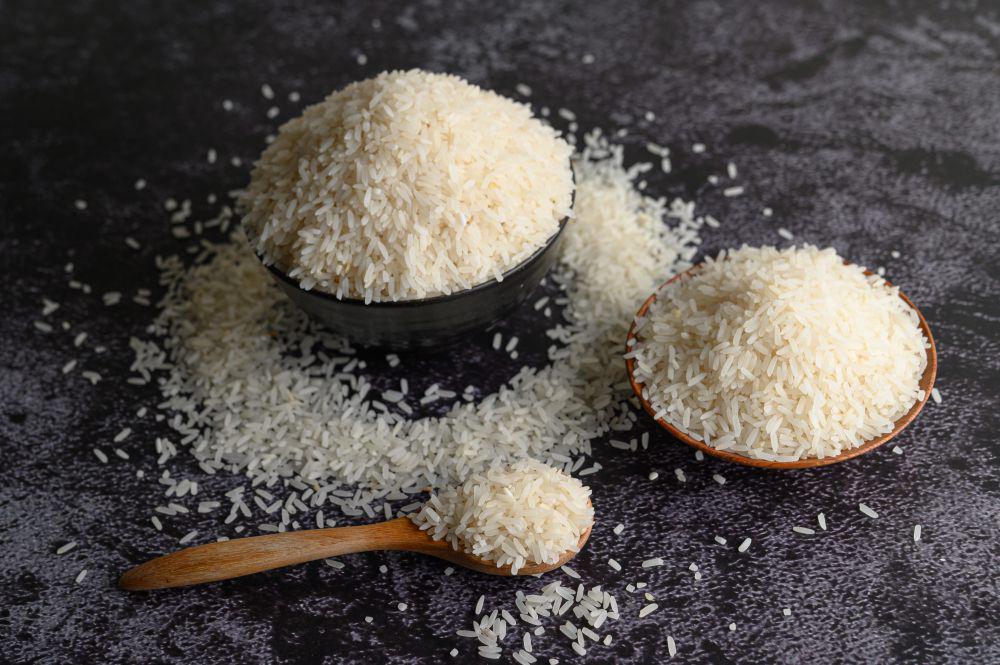
Illustration of rice (freepik.com/jcomp)
2. Rice and Flour Prices
Rice remains a dietary staple in Bali, with prices varying by quality:
- Beras super I (Super Rice I): Rp15,881/kg
- Beras premium (Premium Rice): Rp15,691/kg
- Beras medium (Medium Rice): Rp14,576/kg
- Beras SPHP (Special Premium Hybrid Rice): Rp17,465/kg
- Tepung terigu segitiga biru (Blue Triangle Flour): Rp12,424/kg
"Demi belanja pangan yang hemat dan tepat, kamu dapat memantau harga pangan terlebih dahulu melalui situs Sigapura."
"To shop smartly and economically, check food prices first via the Sigapura system."
The Sigapura platform is recommended for real-time price tracking to help households budget effectively.
3. Spices, Vegetables, and Fruits
Spices and Cooking Essentials
- Bawang merah (Red Onion): Rp35,213/kg
- Bawang putih bonggol (Bulb Garlic): Rp32,325/kg
- Cabai merah besar (Large Red Chili): Rp46,370/kg
- Cabai rawit merah (Red Bird's Eye Chili): Rp28,393/kg
- Gulaku (Local Sugar Brand): Rp17,928/kg
- Minyak goreng (Cooking Oil): Rp19,991/liter
Fresh Produce
- Kacang panjang (Long Beans): Rp10,595/kg
- Kangkung (Water Spinach): Rp6,433/kg
- Pisang ambon (Ambon Banana): Rp17,110/kg
- Jeruk lokal (Local Orange): Rp15,942/kg

Illustration of Ambron Banana (pexels.com/Luis Quintero)
Chili prices saw notable increases, with large red chilies costing nearly Rp46,370/kg, reflecting seasonal supply challenges.
4. Meat, Eggs, and Fish
Proteins and aquatic products show significant price variability:
- Daging babi (Pork): Rp88,327/kg
- Daging sapi has luar (Outer Beef Cut): Rp119,348/kg
- Daging ayam ras (Local Chicken Meat): Rp40,728/kg
- Telur ayam ras (Local Eggs): Rp28,202/kg
- Ikan tongkol (Tongkol Fish): Rp30,744/kg
Illustration of Fresh Beef (vecteezy.com/MD Nasrullah)
Beef prices remain the most expensive, with outer cuts exceeding Rp100,000/kg, while pork and chicken offer more affordable alternatives.
5. Key Takeaways and Recommendations
The data underscores the importance of strategic shopping to manage household budgets amid fluctuating prices. Staples like rice and cooking oil are relatively stable, but spices and proteins require careful planning. Seasonal produce like chili peppers and oranges may see price swings, so monitoring Sigapura's updates is advised.
Conclusion
Bali's food prices in November 2025 reflect a mix of stability and volatility. While rice and flour prices remain moderate, chili peppers and beef emerge as costlier items. Residents are encouraged to:
- Use Sigapura for real-time price checks.
- Prioritize budget-friendly proteins like chicken or fish.
- Plan meals around seasonal vegetables to reduce costs.
"Cuaca memang enggak menentu, tapi kamu harus tetap menjaga kesehatan agar tidak sakit."
"The weather is unpredictable, but you must still protect your health to avoid illness."
By balancing nutrition and budgeting, Bali's residents can navigate both economic and climatic challenges effectively.
Disclaimer: This summary was created using Artificial Intelligence (AI).
Need a summary like this?
Get instant summaries with Harvest