Types of Information and MECE Principle
The author explores how to organize overwhelming digital files and notes by applying the MECE principle to categorize information into distinct "Actionable" and "Non-Actionable" types. By breaking these down further into specific purposes and scopes, one can create a logical structure for Personal Knowledge Management that avoids redundancy.
1. The Challenge of Digital Overload
Faced with a massive collection of files and corresponding notes, Denis Volkov found himself needing a logical way to structure everything using only folders. When he turned to AI for help, the results were underwhelming, offering generic categories like "textual" or "numerical" info. This led him to seek a more rigorous analytical framework to truly make sense of his digital life. 📂
So I wondered, how many types of information are out there overall? We are aware of "actionable" and "non-actionable," but are there other types?
2. Understanding the MECE Principle
To solve the organization puzzle, the author turned to MECE, which stands for Mutually Exclusive, Collectively Exhaustive. This concept, often used by high-level consultants, ensures that information is organized without overlaps or gaps.
- Mutually Exclusive: Categories do not overlap; an item can only belong to one group at a time.
- Collectively Exhaustive: The categories cover all possible options; nothing is left out.
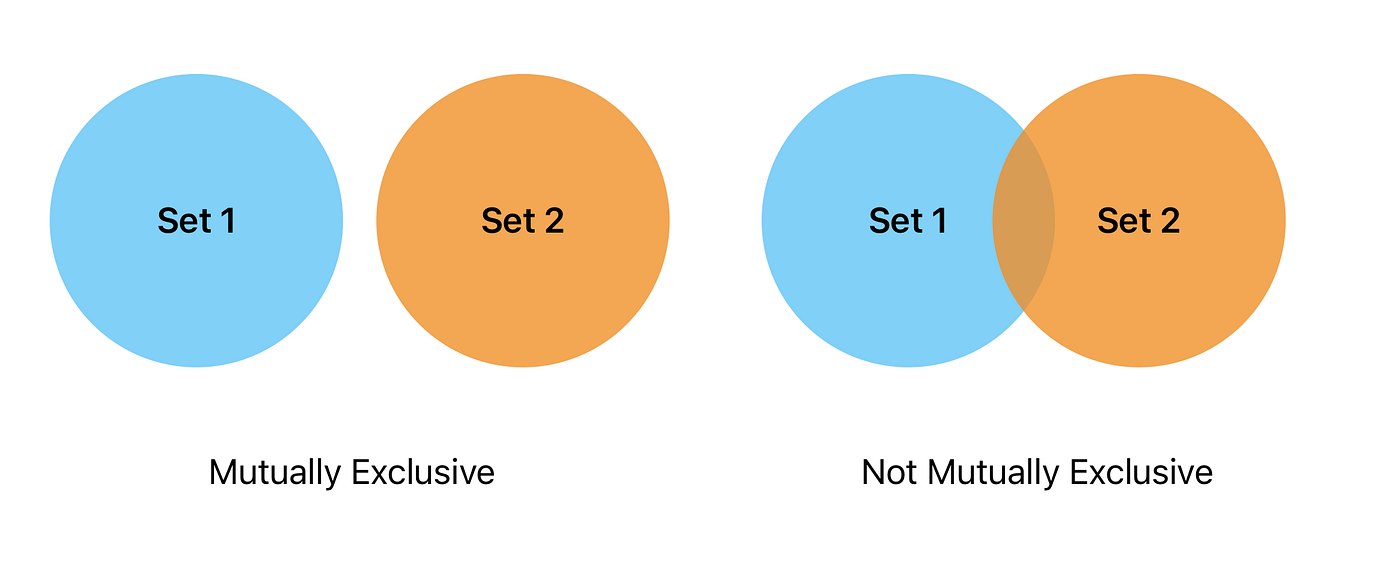
A simple example is choosing where to eat: you can eat at home or somewhere else. You can't do both at the exact same time (Mutually Exclusive), and there are no other physical locations where you could be (Collectively Exhaustive).

3. The Core Split: Actionable vs. Non-Actionable
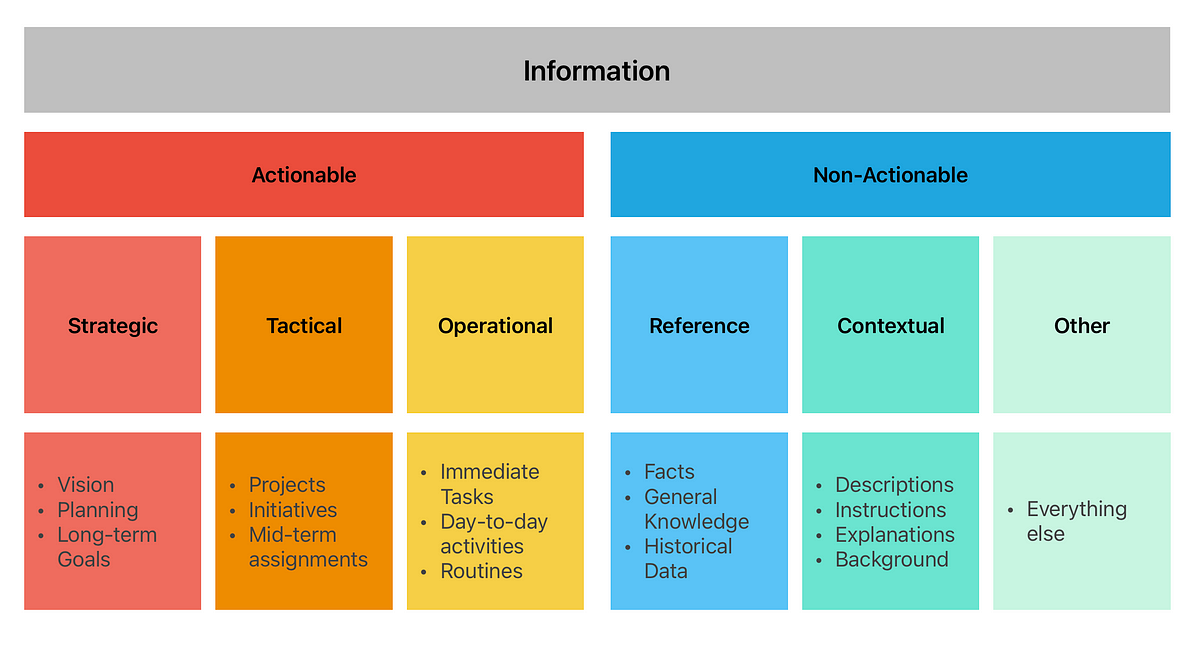
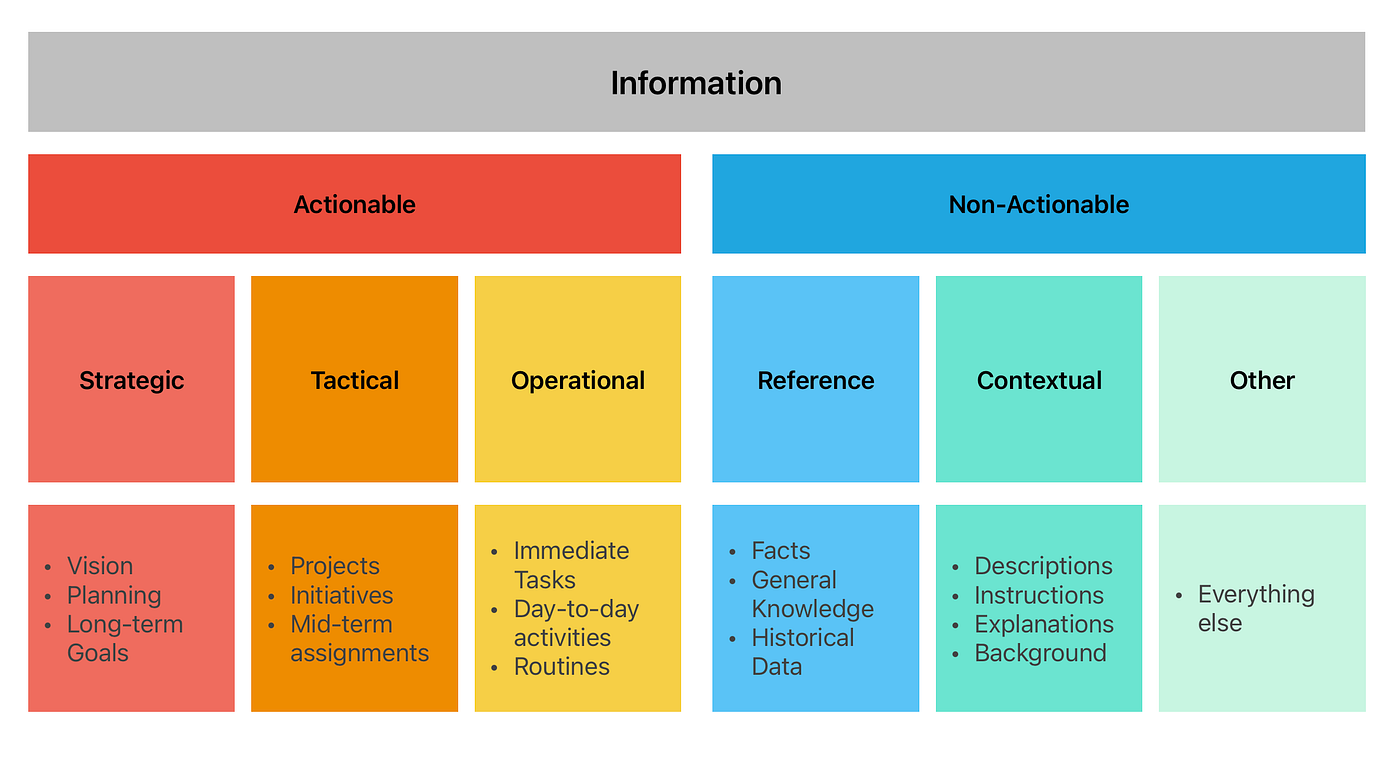
Using MECE, all information in the world can be split into two primary categories. Every single note or file you own will fall into one of these two buckets:
- Actionable Information: Data that leads to specific decisions, tasks, or outcomes. It impacts how you achieve a goal.
- Non-Actionable Information: Data that is informative or interesting but doesn't require an immediate step. It provides reference or context.
Any type of information you face can only be one of those. And always will fall under one of those categories.
4. Deep Dive into Actionable Information
Actionable information can be further subdivided in two ways to keep things organized:
By Type of Action
- Strategic: Long-term planning and high-level goals.
- Tactical: Mid-term planning, such as specific projects or initiatives.
- Operational: Day-to-day tasks and immediate "to-dos."
By Scope of Action
- Individual: Your personal goals and tasks.
- Team/Department: Relevant to a specific group within an organization.
- Organizational/Global: Affecting an entire company or entity.
5. Categorizing Non-Actionable Information
Non-actionable info isn't "useless"; it just serves a different role. This can also be split via MECE into two dimensions:
By Purpose
- Reference: Basic facts and data you might need to look up later.
- Contextual: Background stories or summaries that help you understand complex topics.
- Entertainment/Other: Information consumed for relaxation or leisure.
By Nature
- Static: Facts that don't change, like history or scientific principles.
- Dynamic: Information that updates regularly, like news or website traffic.
- Speculative: Theories, forecasts, or market predictions that lack concrete evidence.
Conclusion
Applying the MECE principle to information types provides a roadmap for Personal Knowledge Management (PKM). While frameworks like PARA (Projects, Areas, Resources, Archives) are popular, the author notes they aren't perfectly MECE and often suffer from "overlap burden." By focusing on the purpose and nature of information, we can build digital structures that are clean, comprehensive, and easy to navigate. 🚀
Need a summary like this?
Get instant summaries with Harvest