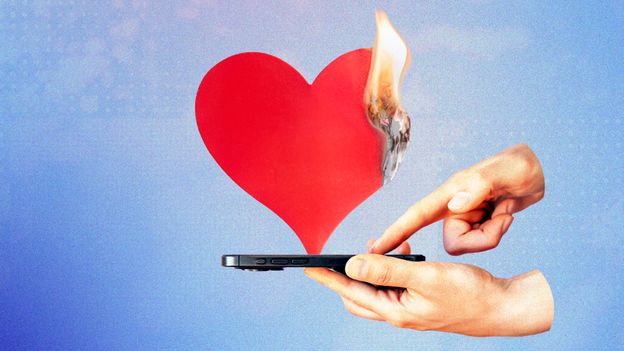
Are you stuck in the dating app burnout cycle?
Dating app burnout is a documented psychological phenomenon characterized by emotional exhaustion, cynicism, and a sense of personal inefficiency. Research indicates that while apps aim to connect people, their "gamified" design often traps users in a loop of endless swiping that can worsen mental health issues like anxiety and depression. To escape this cycle, experts recommend setting strict time limits, diversifying how you meet people offline, and knowing when to take a complete break.
1. The Endless Loop of Re-downloading
For many singles in 2026, the journey of digital romance has become a repetitive cycle of "download, burnout, delete, repeat." The story of Fernanda R, a 29-year-old advisor, perfectly illustrates this exhaustion. After a two-year hiatus, she returned to the apps hoping for a different experience, only to find herself overwhelmed by the "invisible pressure" of maintaining multiple witty conversations while obsessively checking her phone. 📱
Instead of finding connection, Fernanda felt lonelier than ever. Her experience isn't unique; it's a textbook case of dating app burnout. This state of mind mirrors the stress found in high-pressure jobs, leaving users feeling like nothing they do works and that they might be the problem.
"It just feels overwhelming. There's this invisible pressure. It starts to take away from your real friendships, your work."
2. Defining the Three Pillars of Burnout
Experts like Liesel Sharabi from Arizona State University note that the goals of dating apps often clash with the goals of their users. If the apps worked perfectly, users would find partners and leave. Instead, many find themselves trapped in a cycle of frustration. Psychologically, this burnout is measured in three distinct categories:
- Emotional Exhaustion: Feeling unmotivated, defeated, and physically tired after swiping. 😫
- Cynicism (Depersonalisation): When profiles stop feeling like real humans and just become "faces" in a digital sea.
- Inefficiency: A creeping conviction that you are either bad at dating or fundamentally flawed because the app isn't yielding results.
"I started on the app feeling like I want to be respectful because at the end of the day, we're all just human beings. But the more time I spent, the more blind I became about it, like I didn't really care about these people."
3. The Science of Mental Health and Apps
The impact of these apps goes beyond mere annoyance. A massive meta-analysis spanning 17 years of research found that dating app users report significantly worse psychological health than non-users. This includes higher rates of depression, anxiety, and emotional distress. 🧠
Interestingly, the apps often fail those who need them most. While they are marketed as a lifeline for people who struggle to meet others in person, research shows these individuals are actually the most susceptible to burning out quickly, as the digital environment tends to exacerbate pre-existing difficulties.
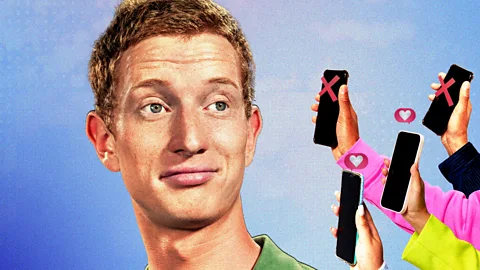
4. Gamification and the "Slot Machine" Effect
Why is it so hard to stop? Critics point to gamification. Apps are designed with fast, frictionless gestures and inconsistent rewards—much like a slot machine. The "high" comes from the swipe and the match notification, but by the time a real date is on the horizon, the excitement has often evaporated. 🎰
Users also face a massive amount of "hidden labor." In the past, a person might never meet as many people in a lifetime as a modern user sees on Hinge in a single day. This abundance turns dating into a "second full-time job."
"Getting the notification that I've gotten a like on Hinge feels like being threatened with a gun."
5. Four Ways to Break the Burnout Cycle
While the industry faces lawsuits and criticism for "addictive" designs, users can take immediate steps to protect their well-being. Sharabi suggests four concrete strategies:
- Diversify your Outlets: Don't let apps be the only way you meet people. Join clubs or ask friends for setups to take the pressure off the digital space. 🏃♂️
- Swipe with Intention: Set a specific time limit for how long and how often you use the apps. Stop before you feel hollowed out.
- Lean on Friends: Don't swipe in isolation. Talk about your experiences with friends to cushion the emotional blow of a bad week.
- Know When to Quit: If you feel like you'll never find someone, it's time for a total break to reset your optimism. 🛑
Conclusion
The dating app landscape is changing as "swipe fatigue" sets in and younger generations begin to look for love offline again. While the apps provide a massive pool of potential partners, the psychological cost can be high if not managed carefully. By recognizing the signs of burnout and treating dating apps as just one tool—rather than a full-time job—users can regain control of their romantic lives and their mental health. 💖
Need a summary like this?
Get instant summaries with Harvest