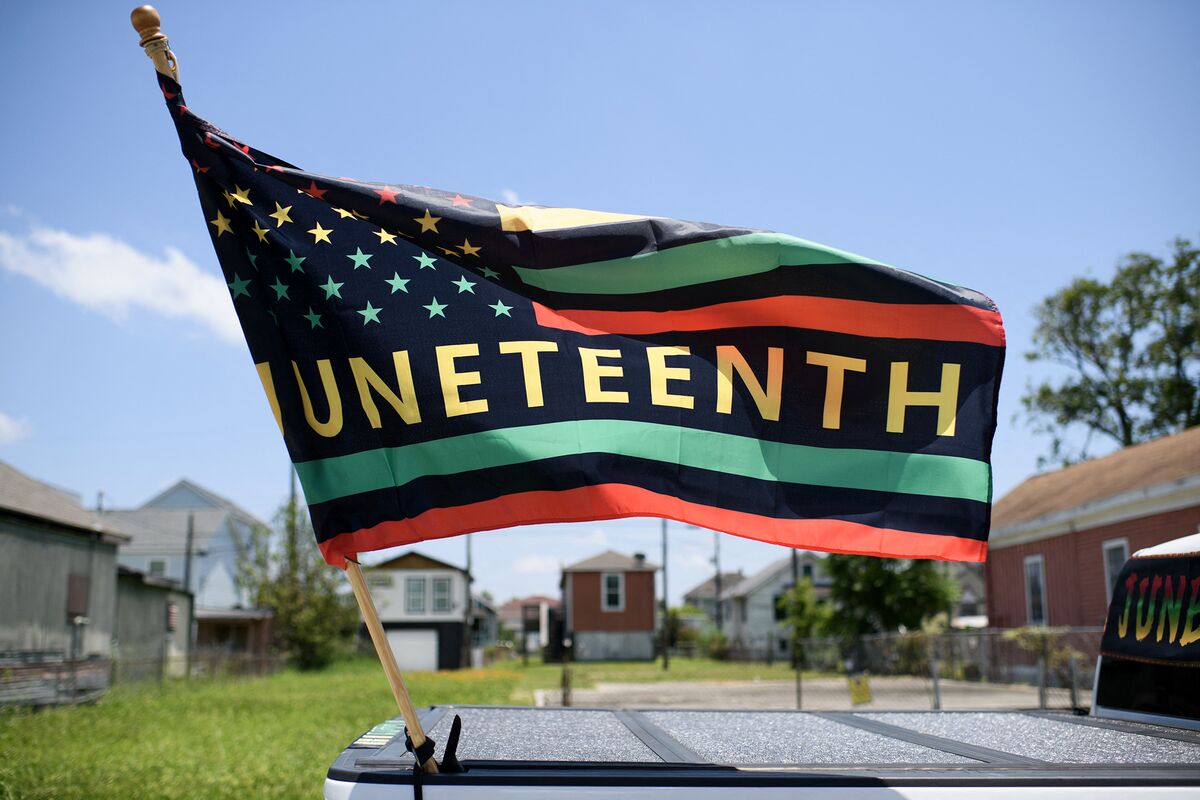
What Is Juneteenth? How Did It Become a US Holiday?
Juneteenth marks an important date in American history, celebrating Black freedom and recognizing the end of slavery in the United States. Although it was celebrated for generations, Juneteenth only recently became widely recognized as a national holiday, with significant momentum following the 2020 racial justice protests and official federal designation in 2021.
1. The Origins of Juneteenth
Juneteenth's significance goes all the way back to June 19, 1865. On this day, Union troops arrived in Galveston, Texas with important news for the people there: all enslaved African Americans in the state were finally free, following the Emancipation Proclamation made by President Abraham Lincoln years earlier. However, news of this proclamation had not reached Texas promptly, making it the last state in the Confederacy where enslaved people learned of their freedom and where the Union Army enforced the proclamation.
One memorable explanation from the text reminds us:
"That's the day the Union army arrived in Galveston, Texas, to announce that all enslaved African Americans in the state were free, in accordance with President Abraham Lincoln's Emancipation Proclamation."
The delay in spreading this message meant that Black Texans were the last to experience what the end of the Civil War and the abolition of slavery truly meant. Juneteenth, named after the combination of June and nineteenth, remembers both the joy and the long wait for freedom.
2. Juneteenth's Growing Recognition
For many years, Juneteenth was celebrated primarily within Black communities, with little attention from White Americans or wider public institutions. The holiday was observed with gatherings, music, food, and reflections on the meaning of freedom. Despite its deep historical roots, its recognition outside these communities remained limited.
This changed dramatically in 2020. After widespread protests against racial injustice across the United States, there was a renewed focus on the significance of Juneteenth. In response, many companies began acknowledging the holiday and even gave employees the day off as a gesture of solidarity and awareness.
As Bloomberg notes:
"It rose in prominence following the sweeping protests against racial injustice in 2020, when dozens of corporations moved to give their employees the day off."
3. Becoming a Federal Holiday
The momentum for official recognition continued to build, and in 2021, Congress passed a law designating Juneteenth as a federal holiday. This historic step meant that the entire nation would now officially honor the date and its tremendous importance.
"In 2021, Congress designated it a federal holiday."
With this recognition, Juneteenth joined the ranks of other major American holidays, sending a strong national message about the importance of remembering the end of slavery and celebrating Black history and resilience.
4. Financial Markets and Wider Observance
Not only did the federal government recognize Juneteenth, but it also affected other major institutions. The New York Stock Exchange and the Securities Industry and Financial Markets Association began recognizing Juneteenth as an official market holiday in 2022.
As described in the article:
"The New York Stock Exchange and the Securities Industry and Financial Markets Association began observing Juneteenth as a market holiday in 2022."
This marked another milestone, as major financial markets adjusted their schedules in honor of this historic day, further cementing Juneteenth's place in the public consciousness.
5. Why Juneteenth Matters Today
Today, Juneteenth serves as much more than a day off or a historical marker. It's a chance for all Americans to reflect on the long journey toward freedom and equality, remember the ongoing work ahead, and celebrate Black history, culture, and achievements.
The rise in recognition of Juneteenth reminds us of how important it is to acknowledge the struggles and progress that have shaped the United States. It's both a time for remembrance and a call for continued awareness and action toward justice for all.
Final Thoughts
Juneteenth has always been a powerful celebration within Black communities, but now it's recognized nationwide—serving as both a joyful holiday and a reminder of the long path to freedom in America. Its journey from local tradition to federal holiday reflects profound changes in American society and a deeper understanding of shared history.
Need a summary like this?
Get instant summaries with Harvest