Deputy Season 1 Episode 9 Review: Entitlements - TV Fanatic
Brief Summary:
This review dives into Deputy Season 1 Episode 9, exploring the tensions between characters Jerry and Bill over leadership and justice in West Hollywood, the challenges of holding privileged youths accountable, and the personal struggles within the police force's extended family. The episode stands out for its focus on moral integrity, honest leadership, and the complexity of personal relationships, all set against high-stakes situations and political maneuvering.
1. An Unnerving Crime Rocks West Hollywood
The episode kicks off with a terrifying home invasion in West Hollywood, setting an unsettling tone. The reviewer describes the emotional horror of this scenario, emphasizing how being threatened in your own home can shatter your sense of safety.
The tension is palpable as a woman hides in her closet, whispering to 9-1-1. The reviewer admits:
"When I hear to stay on the line in those situations, I have to wonder if I'd do it or be too afraid I'd get spotted by the sound from the phone."
This opening scene isn't just about crime; it's about how vulnerability and fear affect people's trust in law enforcement to keep them safe.
2. Jerry vs. Bill: Leadership and Morality Collide
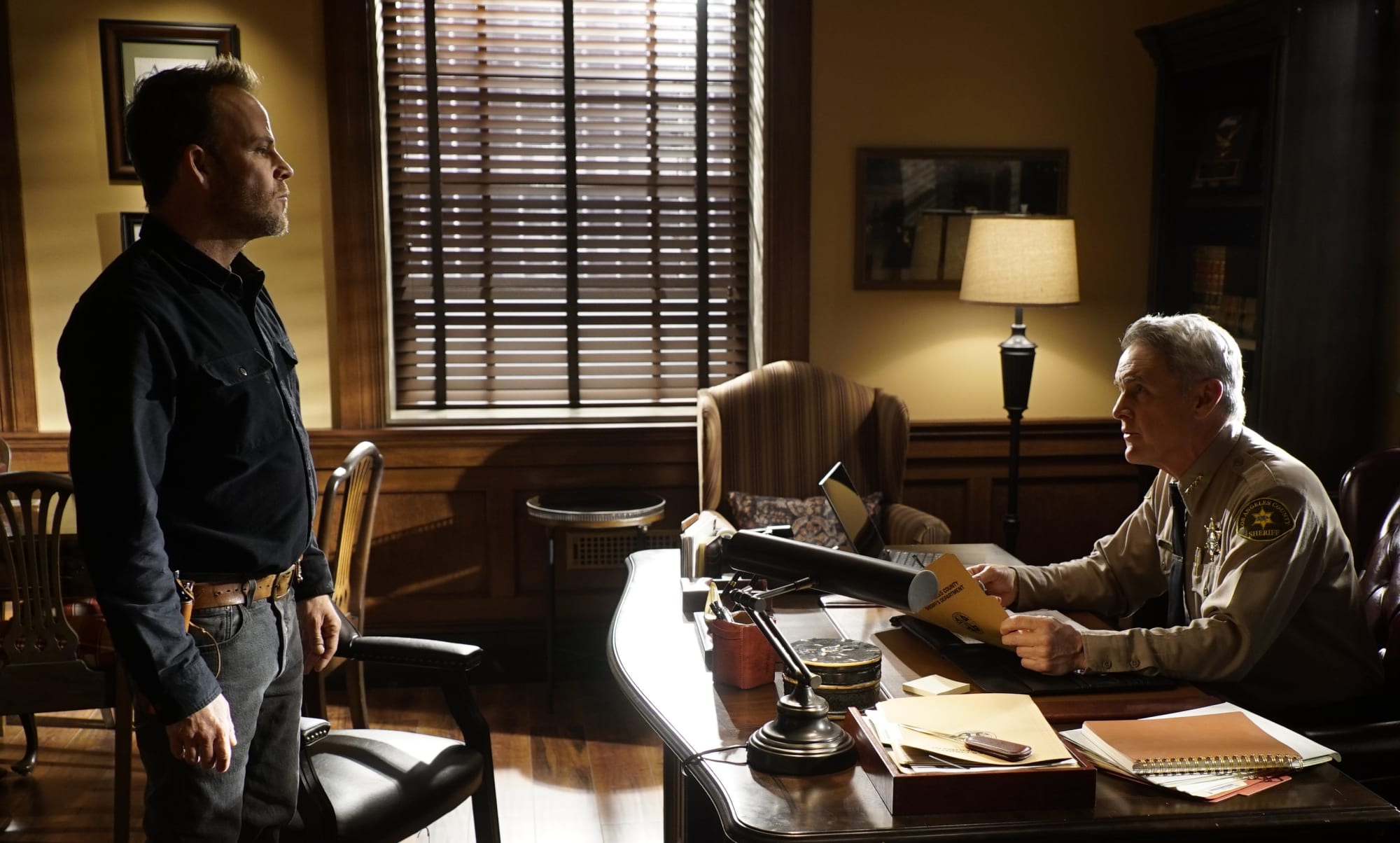
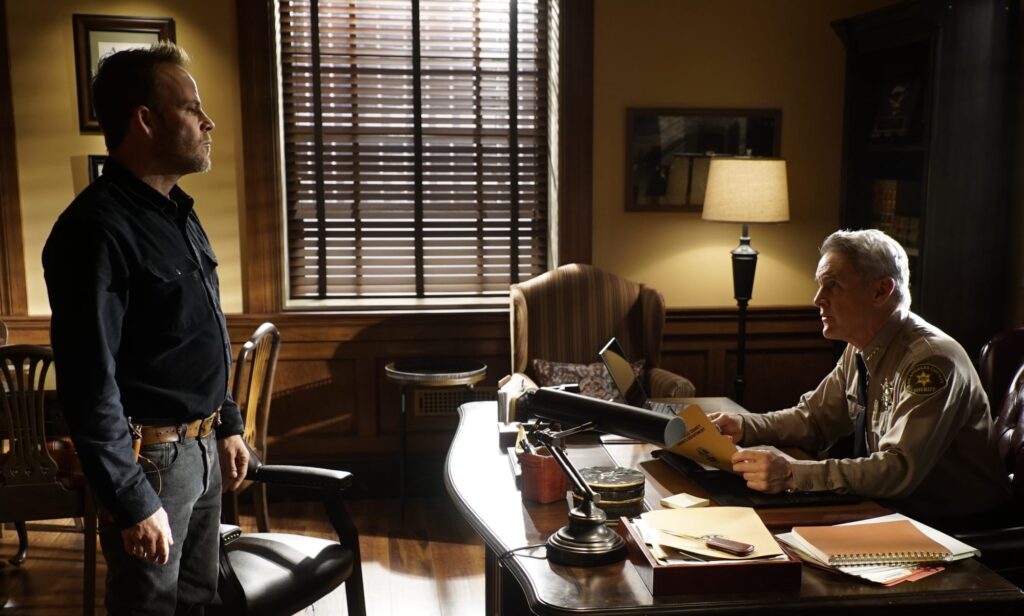
Jerry, ambitious and always sniffing out financial opportunities through affluent donors, sees the West Hollywood chaos as a way to boost his campaign. However, he's depicted as disconnected and self-serving—always in pursuit of political advantages rather than focusing on actual public safety.
Bill, on the other hand, stands in stark contrast. He's not running for sheriff (at least not yet), but his unwavering commitment to fairness shines through. Bill's approach is refreshingly direct; he treats all members of the community equally, regardless of their economic status.
Bill: "You've got a real talent for missing the big picture, Jerry."
While Jerry is busy currying favor with the wealthy, Bill wins over the West Hollywood mayor and the wider community through his honesty and transparency. His approach isn't about games or flattery—it's about respect and genuine concern.

3. Accountability for All—No Special Treatment
An important moral conflict surfaces when it's revealed that a group of privileged kids committed crimes against their own community and brazenly boasted about it online. Jerry's inclination is to go easy on these kids, likely because their parents are potential donors to his campaign.
Bill adamantly objects to this double standard, flatly asking Jerry:
Bill: "If these weren't the kids of prospective donors, would you be going easy on them? We are the people who draw the line, Jerry. If we don't enforce the laws for everyone, what's the damn point?"
The review highlights that justice must be blind—wealth and connections shouldn't buy anyone a pass. Bill's speech to the press reinforces this commitment to accountability:
Bill: "Some people rob out of desperation. Some to feed their habit. These kids, in particular, had money and status. Yet still, a hole grew inside of them. When people who have the most care the least, well, that's a bigger problem. One that we can't solve. So it's everybody's responsibility to teach our children what all this means and that we're in it together."
This philosophy of equal responsibility strikes a chord, setting Bill even further apart from Jerry's transactional politics.
4. Internal Betrayal and the Weight of Secrets
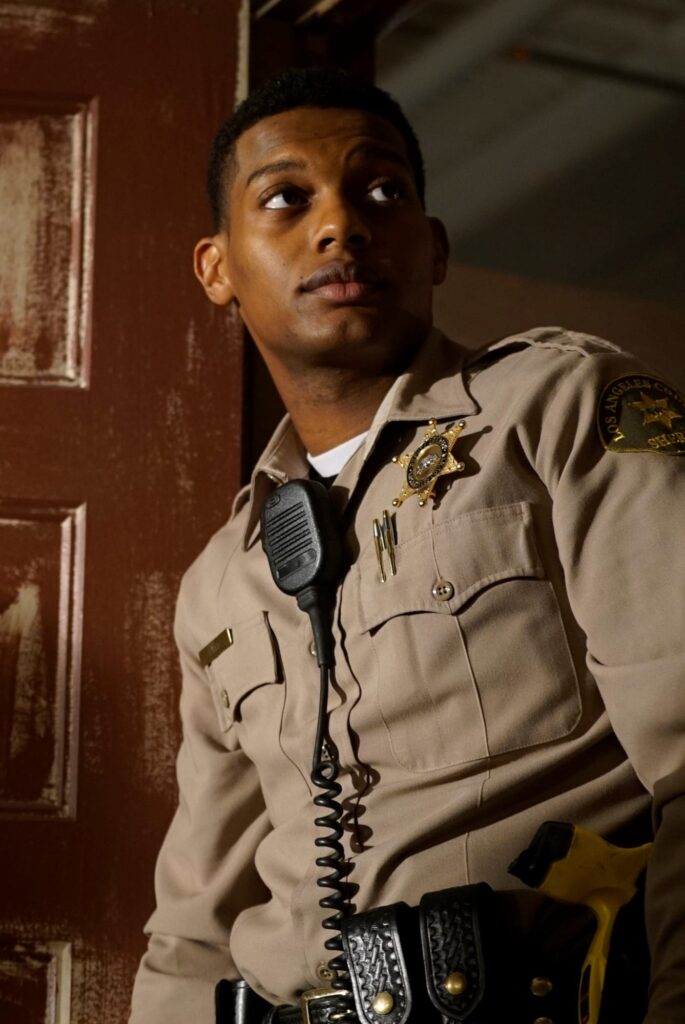
While Bill's leadership is tested in public, internal threats are brewing behind the scenes. Charlie, entrusted as Joseph's training officer, is caught in a moral quandary. Despite her competence and the trust placed in her, she turns over damaging information about Bill to Jerry—motivated by past disappointments with department management and the belief that Jerry's win is inevitable.
The reviewer voices concern over Charlie's choices, noting that she seems to be having second thoughts:
"The look on her face after she delivered the goods to Jerry was the first indication she's having second thoughts about her double-dealing. She needs to come to her senses."
This subplot adds layers of suspense and ethical complexity, showing how fragile loyalty can be when ambition and self-preservation come into play.

5. Family Matters: Support, Anxiety, and New Challenges
On the home front, Bill's family plays a vital role in supporting his possible run for sheriff, though it comes with its own fears and anxieties. Paula's mother ('Abuela') returns, bringing both humor and emotional insight, quickly reading the stresses in her family's life and offering much-needed comfort.
The episode contrasts Abuela's welcome presence with Cade and Teresa's apprehension about their adopted children's grandmother wanting to visit:
"They may be overreacting to the news that their grandmother wants to visit...Adoption often means getting an extended family you never imagined you'd have, and wouldn't it be good for the kids to maintain a connection to their past?"
The review sympathizes with their worries but urges perspective, hinting that family expansion, even unexpectedly, can be a positive thing.

6. Identity, Acceptance, and Relationship Struggles
A heartfelt storyline involves Bishop and her partner, Genevieve. Bishop comes out as non-binary, seeking acceptance from Genevieve, who's a lesbian. The resulting emotional fallout highlights how labels and identities can create distance, even when love is present.
Genevieve struggles to reconcile her identity with Bishop's revelation:
Genevieve: "I'm a lesbian. A woman who likes women. And if you're not a woman, then what does that mean for me, for us?"
Bishop is clear about needing authenticity, not permission:
Bishop: "Just so we're clear. I wanted your acceptance, but I didn't need your acceptance."
While the relationship suffers, Bishop finds solace in Bill's straightforward support at work. The reviewer expresses hope that, with family and work support, Bishop will find a way forward—even if things are tough for now.

7. Growth and Closing Thoughts
The reviewer wraps up the episode on a high note, praising Deputy for its growing confidence and strong character development. The mix of intense situations, ethical dilemmas, and genuine emotional moments makes this episode a standout.
"It's another strong outing for Deputy! The show grows in confidence and character development all the time."
This episode balances social commentary, political intrigue, and personal stories, prompting viewers to reflect on honesty, equality, and the power of human connection.
Conclusion
Deputy Season 1 Episode 9 delivers a compelling mix of suspense, moral quandaries, and heartfelt moments. Bill's unwavering commitment to justice and honesty sets him apart from Jerry's self-serving ambition, while personal storylines—like Bishop's journey—add warmth and authenticity. The episode stands as a testament to the importance of leadership with integrity, and why it's crucial to draw the line—no matter who's on the other side. 🚔✨
Need a summary like this?
Get instant summaries with Harvest