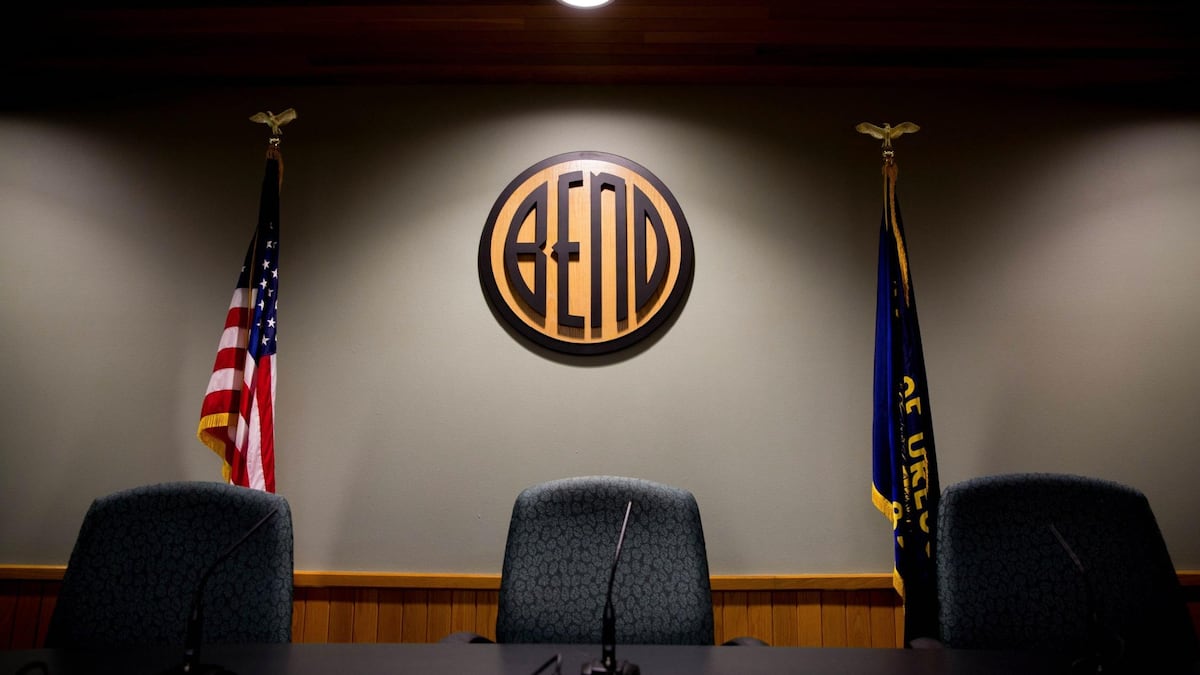
Bend quietly considered pulling funding for sole Juneteenth event over Facebook post - OPB
In 2025, the organizers of Bend, Oregon's only Juneteenth event faced delays and uncertainty after the city almost withdrew its sponsorship due to a controversial Facebook post. The city had to weigh complaints about inclusion against their commitment to supporting events that promote diversity. The incident exposed ongoing challenges around race, public funding, and communication in Bend, sparking debate about how to support communities of color.
1. The Juneteenth Organizers and a Surprising Phone Call
Just over three weeks before Bend's only Juneteenth celebration, Joslyn Stanfield, one of the event's co-organizers, received a call that left her shocked. A community member warned her that city officials had secretly discussed pulling their financial backing for the event. The reason? A post Stanfield had made on her personal Facebook page.
"That was very shocking and upsetting," Stanfield explained, capturing how deeply the news affected her.
This came in the wake of another group canceling a larger Juneteenth celebration due to fears of racist attacks towards Black participants. So, when Stanfield and Kasia Moon stepped up to organize the remaining event, they saw it as vital for Central Oregon's Black community. But suddenly, their funding was at risk over a social media comment critiquing white individuals who had previously harmed Black residents in the area.
Even though Stanfield and Moon ultimately received the funding from the city, the ordeal made Stanfield realize how much Bend still needed to learn about supporting its Black residents.
2. How Bend Funds Community Events
Bend has a program to sponsor public events that reach people the city struggles to engage directly. Meghan Goss, a city staffer, described the approach:
"Bend sponsors events that are already engaging people on issues that align with city goals."
The city set aside about $225,000 for this sponsorship program in the current budget. The supported events range from the Fourth of July and Veterans Day parades to Welcoming Week, Bend Pride, and Juneteenth.

These events are part of Bend's efforts to foster an inclusive community. The city's involvement goes beyond funding; city staff attend cultural celebrations, handing out branded items and showing visible support like flying the progressive pride flag at council meetings. However, these sponsorships sometimes bring city officials into the middle of local controversies, especially as Bend continues to struggle with inclusivity and grapple with widely publicized incidents of racism.
Interestingly, while it's uncommon for Bend to revoke event funding, it has happened before—most notably in 2024, when the city withdrew sponsorship from a Christmas parade after organizers refused to allow advocacy flags for Black and LGBTQIA+ groups.
3. Why the Juneteenth Event Was So Important This Year

Juneteenth marks the end of slavery in the U.S., but Stanfield emphasized that it's more than a history lesson:
"It's a celebration of Black American culture and a space where people can be joyful, relax and bask in Blackness."
This year, Stanfield wanted to focus less on education and more on joy and the empowerment of Black vendors and creators. The Fathers Group (a nonprofit supporting Black fathers and families) had taken the lead on Juneteenth events in Bend from 2021 to 2024. Stanfield herself, along with other Black women, started the first such event in 2020—coinciding with a wave of racial justice advocacy.
In late May, Stanfield posted on Facebook:
"If you as a white person have EVER fixed your mouth to disrespect the Black women who got the ball rolling in Central Oregon… you are not invited to a celebration meant to uplift us."
It was the references to "invited" and "white" that alarmed senior city officials, prompting them to consider withdrawing sponsorship.
4. The Complaint and City's Response
On May 22, Brenda Betsch Parazoo saw Stanfield's Facebook post and immediately emailed Mayor Melanie Kebler, demanding the city rescind its support. That same day, the city finalized the event's sponsorship. The complaint set off a rapid response:

City Manager Eric King wrote:
"If true, the statements on social media referenced below, would be a violation of the use of sponsorship funds according to our current policy."
He quickly put a hold on the event's sponsorship funds, which meant that Stanfield and Moon—who had already been waiting since April—didn't get their check until just 14 days before the event. The delay caused major headaches, putting payments to Black performers and securing the venue at risk.
5. Miscommunication and Missed Opportunities
City leaders discussed reaching out to Stanfield for a conversation, but she was never contacted. Stanfield reflected:
"I can't really use the word white or the word Black here without it being a trigger in some kind of way. It was this moment of, 'OK, they still don't know the history of why it's different for Black people to discuss discrimination and racism that we face from white people.'"
When asked what was wrong with the post, City Manager King repeatedly pointed to the issue of "invitation," arguing:
"The concern is when you start saying, we don't want to invite people, that's where it's really difficult as a public agency to sort of regulate that… We do need to make sure our events are open to everybody."
In fact, Stanfield had already posted a clarification on Facebook, saying:
"Never once — literally not once — have I ever stated that all white people aren't allowed at the upcoming Juneteenth celebration in Bend, Oregon. What I have stated — and stand by — is that white people who have felt comfortable showing their racism, hate, misogynoir and prejudice are NOT welcome at a Juneteenth event. The event isn't for them. That is on period."
But city officials were unaware of this key clarification, and the payment remained on hold until the misunderstanding was sorted out.
6. Final Approval, But Lingering Friction
Eventually, at a pre-event planning meeting on June 6, city officials finally handed over the check. But first, they required public confirmation that the event was open to everyone. Stanfield described the moment:
"They looked at me and they were like, 'We need to confirm that this event is open and welcome to everybody,' and I was like, 'yeah, it is.'"
Community relations manager Kathi Barguil, herself Afro-Latina, was asked by her white coworkers to pose this question on behalf of the city. Barguil later shared her admiration for the event organizers:
"The organizers carried forth with strength, determination, and unabashed expression – I am encouraged by their execution of such a powerful and love-filled Juneteenth event this year, that centered and celebrated Black community."
City manager King believed the process was fair. But the experience left Stanfield and Moon with doubts about whether the city truly understood or trusted Black leadership.
7. Looking Ahead: Standing on Their Own

The whole episode soured Stanfield on city support, and she doubts she'll seek city funding in the future:
"It was definitely a reminder that the power and the liberation for Black people lies in community and it lies in the grassroots networks that we build. I got burned for a second, put my hand on the stove, but that's alright — I wanted to give them [the city] a chance."
Despite the ordeal, Stanfield is moving forward—she's already planned the next Juneteenth celebration for 2026, determined to rely more on grassroots support and local networks.
Final Thoughts
The controversy over Bend's Juneteenth funding shows how issues of race, inclusion, and public funding intersect in complicated ways. While the city ultimately delivered the sponsorship, the delay and doubts it sowed highlight the importance of genuine dialogue and understanding between public institutions and the communities they aim to serve 🖤. For the Juneteenth organizers, the episode was tough but also a reminder of the strength and resilience found within their own community.
Need a summary like this?
Get instant summaries with Harvest