
A Single Dose of Psilocybin Induces Lasting Brain Changes, New Study Suggests
A groundbreaking study reveals that a single high dose of psilocybin can "shake up" established brain patterns, leading to improved mental well-being for up to a month. By tracking novice users, researchers found that the combination of increased brain entropy during the trip and subsequent psychological insights is key to these lasting positive changes.
1. Shaking Up the Brain's Routine
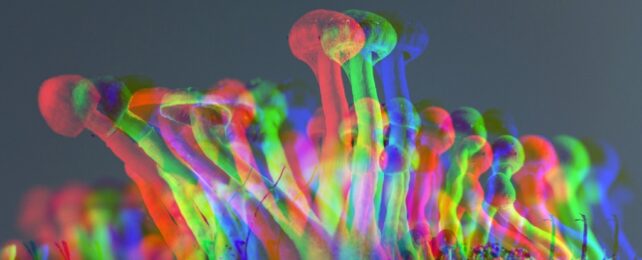
Recent scientific exploration suggests that a single "insightful" psychedelic experience can have a transformative effect on a person's mental health. The core of this discovery lies in how psilocybin—the active compound in magic mushrooms—interacts with the brain's standard operating procedures. Instead of just a temporary high, the drug seems to "loosen up" the rigid, tried-and-true patterns of brain activity that often characterize mental ruts. 🍄
While previous research often focused on patients already suffering from specific conditions, this study took a different approach. Researchers looked at 28 healthy individuals who had never tried psychedelics before to see how a significant 25-milligram dose would affect them. The goal was to understand the fundamental mechanics of how this substance might eventually help treat depression, addiction, and anxiety.
"We already knew psilocybin could be helpful for treating mental illness. But now we have a much better understanding of how."

2. Measuring the "Trip" with Science
To get a full picture of the experience, the research team combined subjective psychological tests with objective neurological data. They used three primary types of brain imaging:
- EEG (Electroencephalography): To monitor electrical activity before and during the trip.
- fMRI (Functional Magnetic Resonance Imaging): To look at brain blood flow and connectivity.
- DTI (Diffusion Tensor Imaging): To examine the brain's white matter tracts.
The study was designed with two sessions. In the first, participants received a tiny 1-milligram dose as a control (placebo). A month later, they received the full 25-milligram dose. While it was fairly obvious to the participants which session was the real deal, the data gathered from their brain activity told a very specific story about brain entropy. 🧠
3. The Power of Brain Entropy and Insight
One of the most significant findings was the role of brain entropy—a technical term for the measure of how varied and unpredictable neural activity becomes. Essentially, under the influence of psilocybin, the brain becomes more flexible and less stuck in its usual tracks. 📈
The researchers found a direct link: participants who showed higher brain entropy during their trip, and who reported gaining "psychological insights" the following day, were the ones who saw the biggest boost in well-being a month later.
"Our data shows that such experiences of psychological insight relate to an entropic quality of brain activity and how both are involved in causing subsequent improvements in mental health. It suggests that the trip – and its correlates in the brain – is a key component of how psychedelic therapy works."
4. Debates and Future Directions
Despite the exciting results, the scientific community remains cautious. Some neuroscientists argue that the idea of "brain entropy" might be too simple to explain the complex psychedelic state and call for a more nuanced perspective. The study authors themselves admit that they may not yet have the perfect tools to detect every single functional change in the brain post-psilocybin.
However, the potential for a single dose to "rewire" thought patterns remains a major highlight for the field of psychiatry. It suggests that the "revelations" people feel during a trip aren't just hallucinations, but are tied to physical changes in how the brain processes information.
"Psilocybin seems to loosen up stereotyped patterns of brain activity and give people the ability to revise entrenched patterns of thought."
Conclusion
This study provides compelling evidence that the "psychedelic trip" itself is a vital part of the healing process. By temporarily increasing brain entropy, psilocybin allows individuals to break free from rigid thinking and gain insights that lead to long-term improvements in mental well-being. As research continues, these findings could help clinicians fine-tune dosages and settings to maximize the life-changing benefits of psychedelic therapy. ✨
Need a summary like this?
Get instant summaries with Harvest