Thrifting Entrepreneurs in Malang Worry Import Ban on Used Clothing Hampers UMKM Creativity - TIMES Jatim
Summary: Thrifting entrepreneurs in Malang, Indonesia, fear a government ban on importing used clothing will stifle the growth of creative micro, small, and medium enterprises (UMKM). While adapting by promoting locally sourced "preloved" items, they argue cheap imported new clothing from China poses a greater threat to local textile industries. Collaboration between thrift sellers and local brands at events like Dalbofest highlights their efforts to coexist sustainably.
1. Policy Concerns and Impact on Thrifting Businesses
Thrifting entrepreneurs in Malang have expressed anxiety over the government's ban on importing used clothing, which they believe will disrupt the thriving creative UMKM ecosystem. Rizky Adam, a thrift store owner with over 20 years of experience, explained that imported goods were a primary supply source for their businesses.
"As a thrift practitioner, the reduction in imported goods supply is inevitable."
— Rizky Adam, November 4, 2025
The ban threatens stock availability and the sustainability of small businesses, particularly those relying on affordable second-hand fashion. Many fear the policy overlooks the economic and environmental benefits of thrifting, such as reducing waste and offering budget-friendly options.
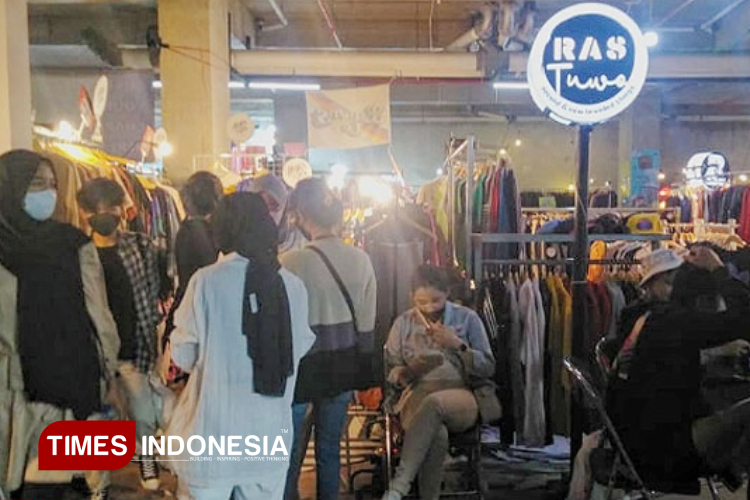
Thrifting event in Malang. (Photo: TIMES Indonesia)
2. Adapting to the Ban: The Rise of Preloved Markets
To survive the ban, thrift sellers are shifting focus to preloved clothing—second-hand items sourced directly from individuals rather than imports. Rizky emphasized this adaptive strategy:
"Whether we like it or not, we have to innovate. Now, many are selling preloved items."
— Rizky Adam
This transition reflects the resilience of UMKM communities, though challenges like limited local supply and higher costs persist. The shift also aligns with a growing consumer preference for sustainable and unique fashion, creating new opportunities for creativity.
3. Competition from Imported New Clothing
Rizky highlighted a critical contradiction: while the ban targets used imports, cheap new clothing from China remains a bigger threat to Indonesia's local textile industry. These mass-produced items undercut local prices and quality, creating unfair competition.
"Local textile industries are struggling to compete with the massive influx of cheap Chinese imports, which are priced far below local products."
— Rizky Adam
He argued that addressing this imbalance should be a priority for policymakers rather than restricting thrift businesses, which contribute to circular economies.
4. Collaboration with Local Brands
Despite challenges, Malang's thrift community has fostered collaboration with local designers through events like Dalbofest, a creative festival blending thrift and local fashion. Rizky shared:
"At events like Dalbofest, we coexist with local brands, and everything runs equally without harming each other. There's no evidence that used clothing kills local products."
— Rizky Adam
This synergy demonstrates how thrift and local industries can complement rather than compete, fostering innovation and market diversity.
5. Respect for Policy and Hope for Balance
While critical of the ban's timing, Rizky affirmed thrift entrepreneurs' respect for government decisions, urging policymakers to consider broader economic contexts.
"Whatever the decision, as Indonesian citizens, we'll follow if it's the best path. We hope the policy truly benefits the national economy while sustaining UMKM."
— Rizky Adam
His statement underscores a balanced perspective: adherence to regulations paired with a plea for inclusive solutions that protect both UMKM and local industries.
Conclusion
The ban on used clothing imports has sparked debate in Malang's thrift community, revealing tensions between sustainability, creativity, and economic policy. While entrepreneurs adapt by embracing preloved markets and collaborating with local brands, they stress the need for nuanced regulations that address unfair competition from cheap imports. Their story highlights the importance of supporting circular economies and fostering partnerships between UMKM and local industries for a resilient fashion future. 🌟
Need a summary like this?
Get instant summaries with Harvest