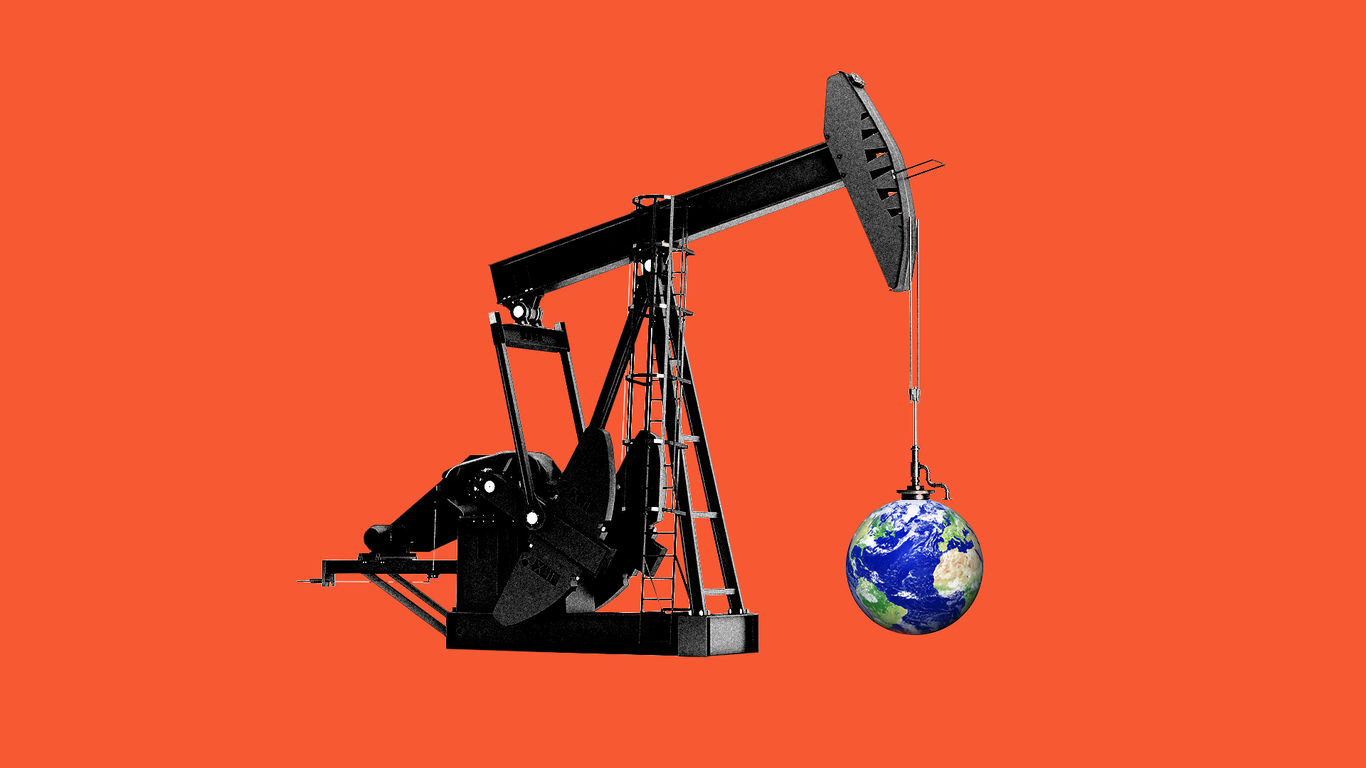
How the Iran war could create a new global order in oil
The ongoing Iran war in 2026 has triggered a massive energy shock that threatens to permanently transform the global oil market from an open system into a fractured and weaponized tool. With Iran locking down the critical Strait of Hormuz and driving oil prices up by 50%, this crisis could ultimately challenge the dollar-based global economy and shift international power dynamics. Experts warn that unlike past crises that fostered cooperation, today's divided world might fully embrace oil as a devastating geopolitical weapon.
1. The Immediate Shock to the Global Market
The ongoing conflict with Iran is sending shockwaves through the energy sector, and it might permanently change how the massive, multitrillion-dollar global oil market operates. What was once a relatively open and smooth-running system is now at risk of becoming a fractured and weaponized tool. 🛢️
Why does this matter to our daily lives? At the very least, it means we will be dealing with higher energy prices and rising inflation. Looking at the bigger picture, this disruption could eventually threaten the very foundations of our dollar-based global economy, and with it, challenge U.S. power on the world stage.
Right now, Iran has essentially locked down the Strait of Hormuz—a critical and narrow waterway for global energy trade. Because of this blockade, oil prices have surged, sitting about 50% higher than they were before the war started. Out in the physical market, where countries and companies are desperately trying to buy actual barrels of oil, prices have hit record highs as supplies become increasingly scarce and highly competitive.
To put the immense scale of this crisis into perspective, Dan Yergin, vice chairman of S&P Global and author of The Prize, perfectly summed up the situation:
"The mother of all supply chain disruptions."
2. Historical Echoes and Shifting Global Power
Looking back at history, major global shocks have frequently led to permanent changes in how the world economy works. There is very little reason to believe this current crisis will be any different! 🌍
Think about how major events have historically shaped our world:
- The global pandemic pushed countries to bring their manufacturing back home.
- The war in Ukraine forced European nations to drastically cut their reliance on Russian natural gas.
- The infamous oil crisis of the 1970s is what finally convinced Americans to start driving smaller, more fuel-efficient cars.
Beyond just changing consumer habits or trade routes, energy shocks actually have the power to shift global dominance. For example, the Suez crisis—another major disruption in a vital Middle Eastern waterway—is widely recognized as the turning point when the United Kingdom lost its status as a global superpower. Today, some critics are starting to wonder if the United States might be facing a similar crossroads.
However, it is important to take a step back for a reality check: the conflict is far from over. It is still way too early to predict exactly how this story will end, let alone completely understand what the long-term consequences will be for the world.
3. A New Lesson in a Fragmented World
To truly understand the potential fallout, we have to look back to 1973. That was the last time nations effectively used oil as a literal weapon, when Arab members of OPEC blocked exports to the U.S., causing prices to skyrocket by a staggering 2,000% over the following decade. 📈
Back then, countries learned a very painful lesson: the oil market is completely interconnected. Like it or not, if one part of the world feels the squeeze, the pain ripples out to everyone. But interestingly, instead of creating a future where nations constantly fought over oil barrels, that crisis taught the world the value of working together.
As Dan Yergin points out about that historical takeaway:
"Multinational, international cooperation is preferable to individual action."
Unfortunately, as we navigate through 2026, the world seems to be learning a very different, much darker lesson. Former national security advisers from the Obama and George W. Bush administrations recently highlighted this alarming shift in the journal Foreign Affairs. Jason Bordoff and Meghan O'Sullivan warn that our current geopolitical climate might lead to a completely different outcome:
"In today's fragmented, conflict-prone world, many may draw the opposite conclusion."
The harsh bottom line is that Iran has fully realized the immense power it holds by turning the Strait of Hormuz into a new geopolitical weapon. This strategy has created a massive rupture in one of the most vital connections for global oil supply, and sadly, the energy market as we know it may be changed forever. 💔
4. Final Thoughts
The current conflict with Iran is proving to be much more than just a regional dispute; it is a catalyst for a massive global economic shift. By weaponizing one of the world's most important trade routes, the situation threatens not only to hike up everyday costs but to fundamentally redraw the map of global power. Whether the international community can find a way to cooperate—or if we will sink further into a fragmented, every-nation-for-itself reality—remains the defining question of this new era in energy.
Need a summary like this?
Get instant summaries with Harvest